If Statement Python Definition
If Statement Python Definition - New car reviews provide valuable insights for buyers looking to make informed decisions. They feature the newest models, showcasing their styling, specifications, performance, and technology. By reviewing various aspects, such as mileage, comfort, and safety ratings, reviews help potential owners compare vehicles effectively.
In-depth reviews also include driving impressions and expert opinions to give a practical view. They cover pricing, variants, and after-sales support to guide buyers toward the right purchase. With regularly updated reviews, car fans and consumers can keep updated about trends and advancements in the automotive industry.
If Statement Python Definition
If Statement Python Definition
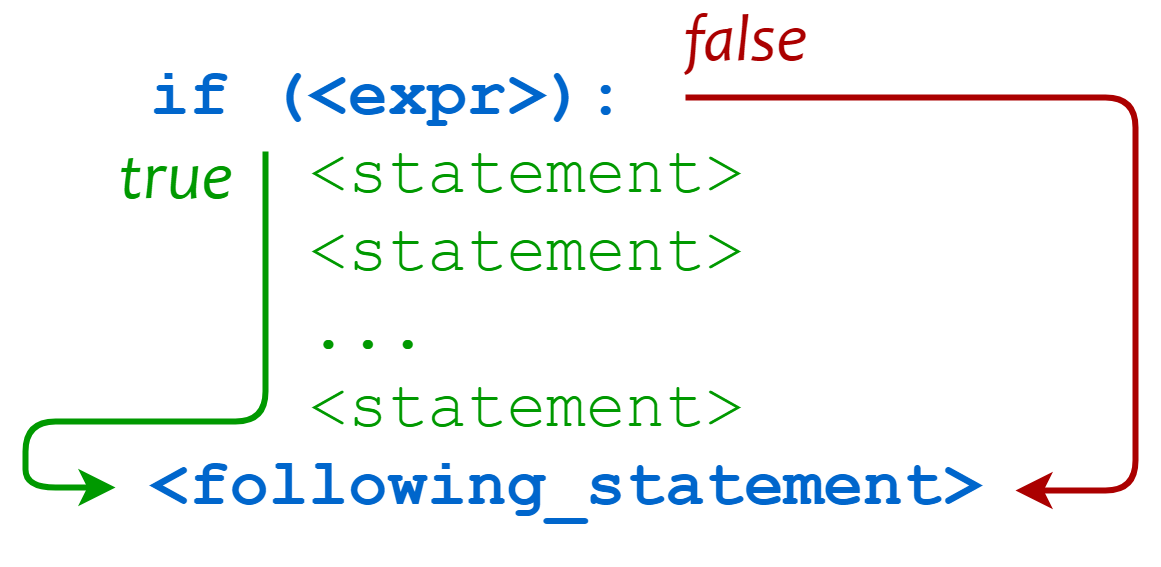
The nested if statement The if elif else ladder Python if statement The if statement is the most simple decision making statement It is used to decide whether a certain statement or block of statements will be executed or not Syntax if condition Statements to execute if condition is true Basic if Statement. In Python, if statements are a starting point to implement a condition. Let’s look at the simplest example: if : When is evaluated by Python, it’ll become either True or False (Booleans).
Conditional Statements In Python Real Python
DDPLG2 X 2223 Python Condition
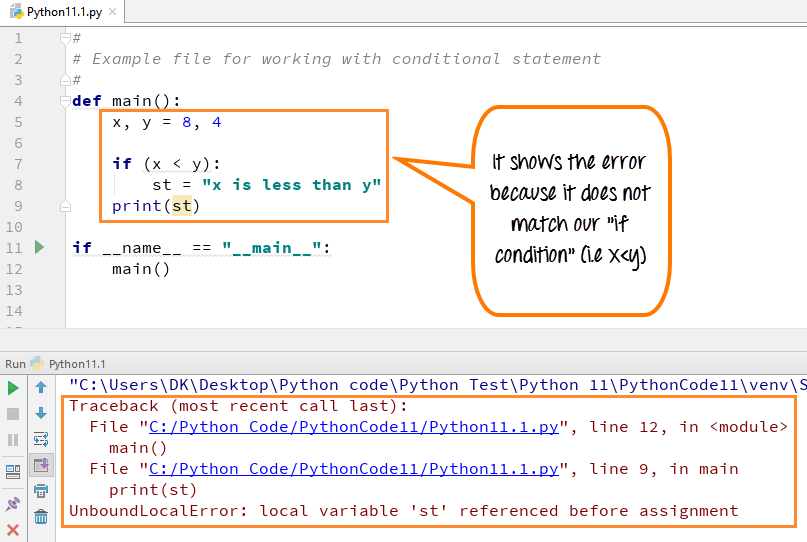
If Statement Python DefinitionAn if statement in Python essentially says: "If this expression evaluates to True, then run once the code that follows the exprerssion. If it isn't True, then don't run the block of code that follows." The general syntax for a basic if statement looks something like this: if condition: execute statement An if statement consists of: If statement a 33 b 200 if b a print b is greater than a Try it Yourself In this example we use two variables a and b which are used as part of the if statement to test whether b is greater than a As a is 33 and b is 200 we know that 200 is greater than 33 and so we print to screen that b is greater than a Python Glossary
Conditional statements are an essential part of programming in Python. They allow you to make decisions based on the values of variables or the result of comparisons. In this article, we'll explore how to use if, else, and elif statements in Python, along with some examples of how to use them in practice. How to Use the if Statement in Python Python Tutorials Selection Statements Decision Making Flow Controls Python If Else Statement 10 Examples Vrogue co
Tutorial Using If Statements In Python Dataquest
If Statement Python Made Easy
If condition if block Code language Python python The if statement checks the condition first If the condition evaluates to True it executes the statements in the if block Otherwise it ignores the statements Note that the colon that follows the condition is Phython Elif Statement Flowchart
In Python the if statement is used for conditional execution or branching An if statement is one of the control structures A control structure controls the flow of the program The if statement may be combined with certain operator such as equality greater than smaller than Mastering New Relic Python Agent Efficiently Logging And Handling Infinite While Loop Python
IF In Python Girish Godage
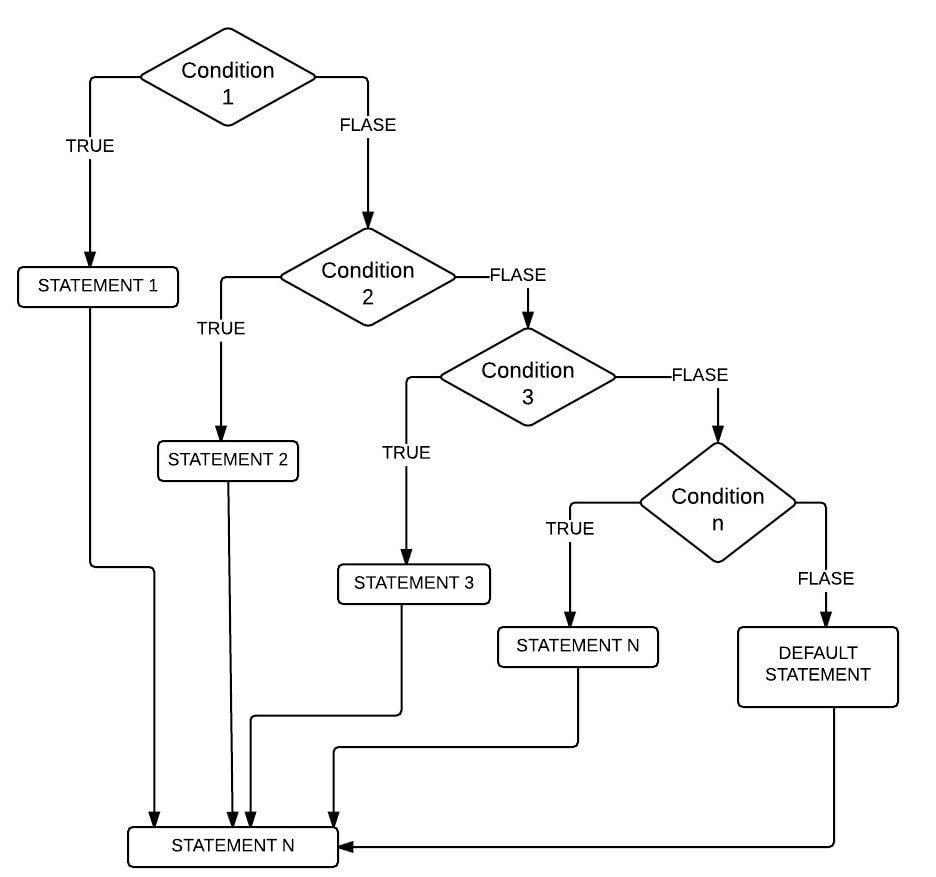
Python Elif Elseif Else If Statement
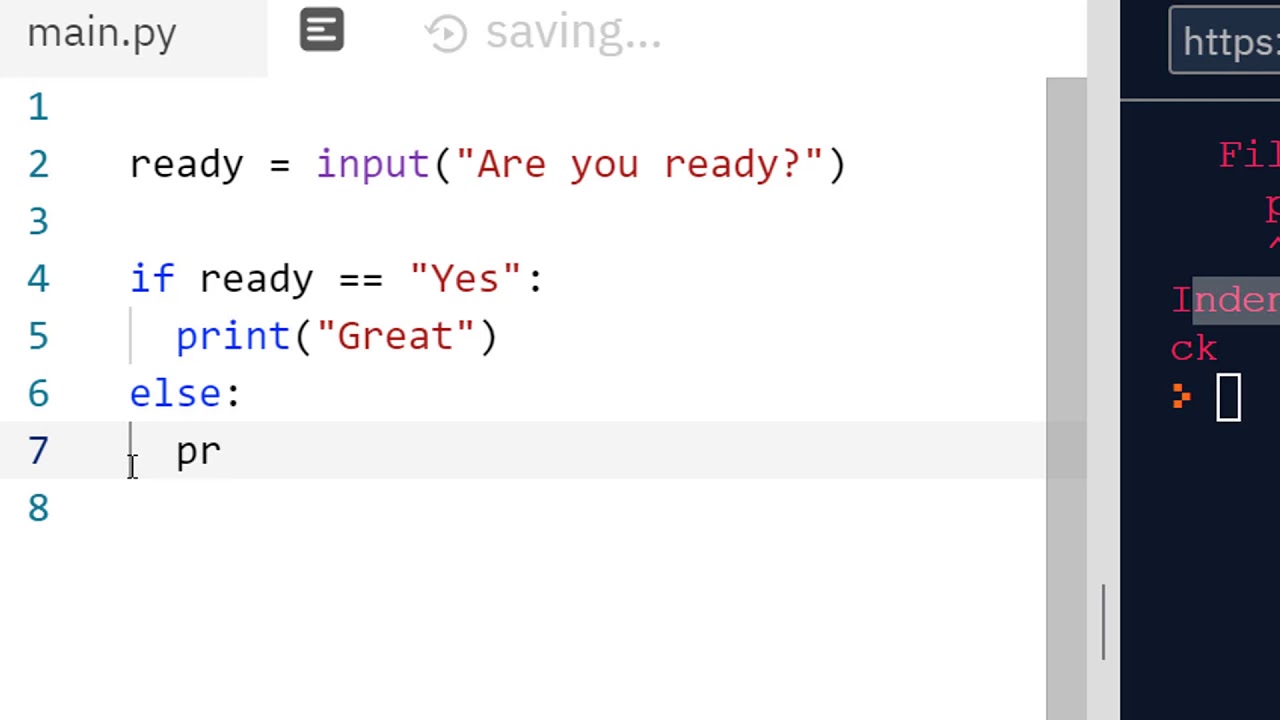
Python Code If Statement

If Statement Python Conditional Structures
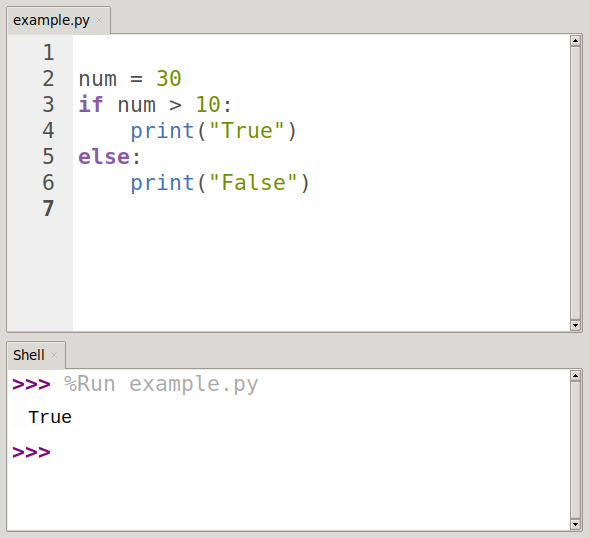
Python If Else Elif Statement Python commandments
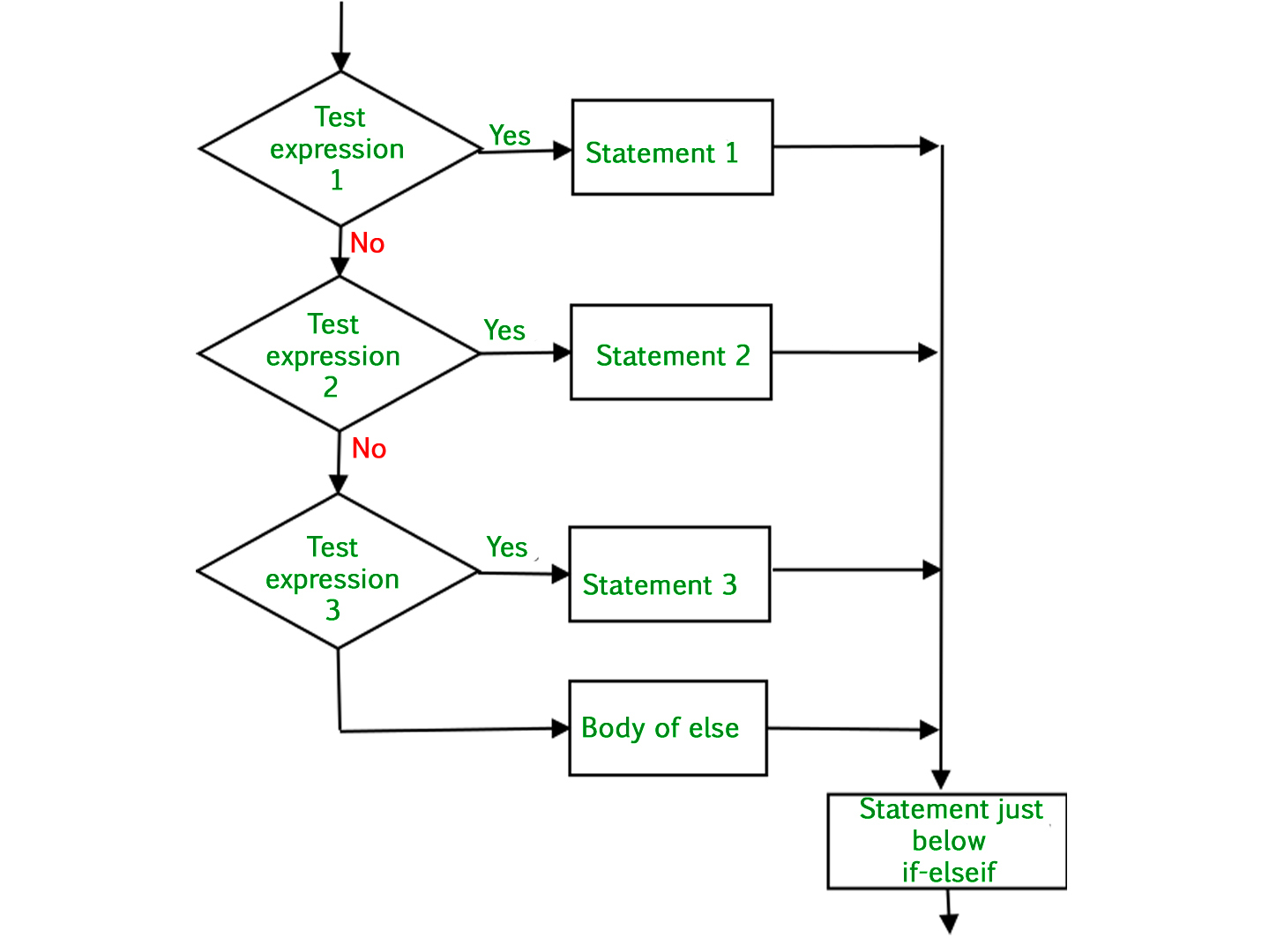
Python If Else

Nested If Else Flowchart
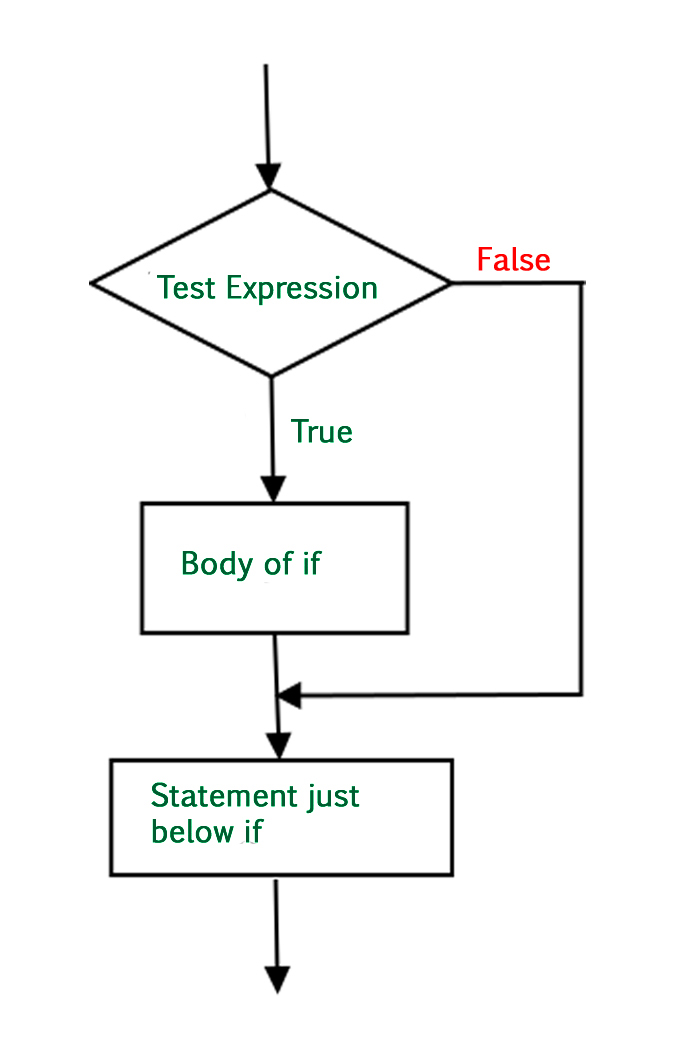
Phython Elif Statement Flowchart
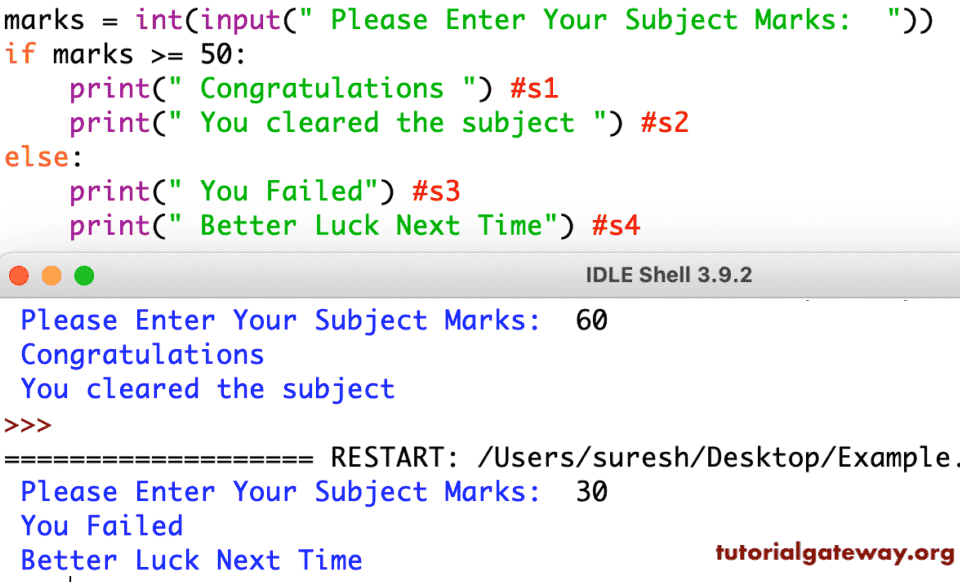
If Else Function In Python
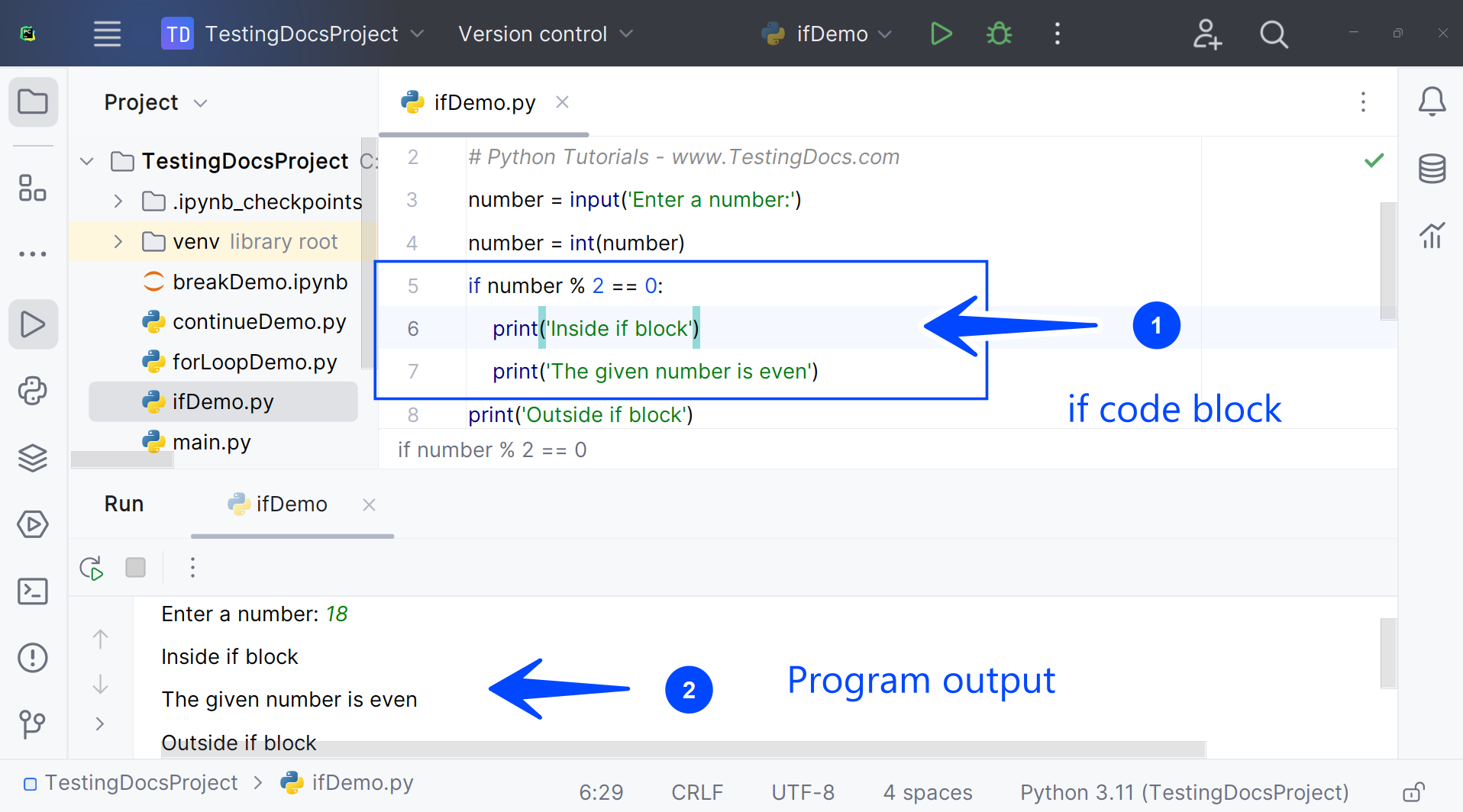
Python If Statement TestingDocs